
Why Does Rain Sound So Loud on Rooftops in Gowanda, NY?
Rain noise on rooftops is a familiar concern in Gowanda, especially during periods of heavy rainfall. The volume of rain sounds is influenced by the type of roofing materials, attic insulation, and even the underlying roof structure. In older homes or houses with metal or low-pitched roofs, rainfall can seem amplified, creating a disruptive environment indoors. Because local weather often includes persistent rain, area homeowners frequently search for ways to make their living spaces quieter during storms.
Which Roof Materials Are the Noisiest During Rain?
Roofs made of metal, corrugated panels, or lightweight composite materials typically carry more sound from rain than those with heavier, denser coverings. Asphalt shingles, common in Gowanda, generally dampen noise more than metal, while tile and slate also offer some natural sound reduction due to their mass. The sound can be particularly noticeable if the roof is installed directly over open rafters without a solid plywood deck, or when ceilings below are minimally insulated—a configuration often found in local garages, porches, or older outbuildings.
How Can Homeowners Reduce Rain Noise from Inside?
The fastest indoor adjustment is to increase ceiling or attic insulation right below the roof. Dense insulation can muffle the drumming of rain by absorbing vibrations and sound waves before they reach your bedrooms or living spaces. In Gowanda, where winters are harsh and attics often get insulated for energy efficiency, this step frequently serves both comfort and noise purposes.
- Adding blown-in cellulose or fiberglass batts in the attic acts as a buffer between the roof and rooms below.
- In accessible areas, acoustic panels or soundproofing foam may be attached to ceilings for additional dampening.
- Closing gaps around attic hatches or stairways helps block sound transfer.
Can Modifying the Roof Structure Help?
Structural changes can significantly affect how rain noise carries indoors. Creating an “air gap” between roofing materials and the main roof deck, sometimes using an additional underlayment, can disrupt the sound pathway. While a full reroof is a big project, smaller improvements are sometimes possible:
- Installing a solid plywood deck under metal roofing, rather than attaching panels directly to rafters, quiets the impact noise.
- If repairs or roof updates are already planned, adding a thick, vibration-absorbing underlayment (such as rubber or synthetic membranes) beneath shingles or panels can help.
Most Gowanda homes already have plywood decking due to building codes, but older or rural properties may not. In these rarer cases, homeowners sometimes hear rain especially clearly and can target underlayment as a solution.
Does the Attic Layout Make a Difference?
Attics without finished floors, with open rafters or exposed beams, won’t block as much sound. Sound travels more easily through open air, and hard surfaces below the roof can reflect and amplify it. Finished attics with proper flooring, insulation, and drywall ceilings beneath the rafters noticeably reduce rain noise compared to unfinished attic spaces.
Are Tree Cover and Landscaping Effective?
Dense branches above a roof can physically intercept some rainfall, breaking up the drops before they hit the rooftop. In wooded sections of Gowanda, mature trees may help soften the impact sounds from rain, especially during summer when canopies are dense. However, relying solely on foliage is unpredictable—trees lose leaves each autumn and overhanging branches can create maintenance concerns, like clogged gutters or roof damage.
What About Soundproofing from the Outside?
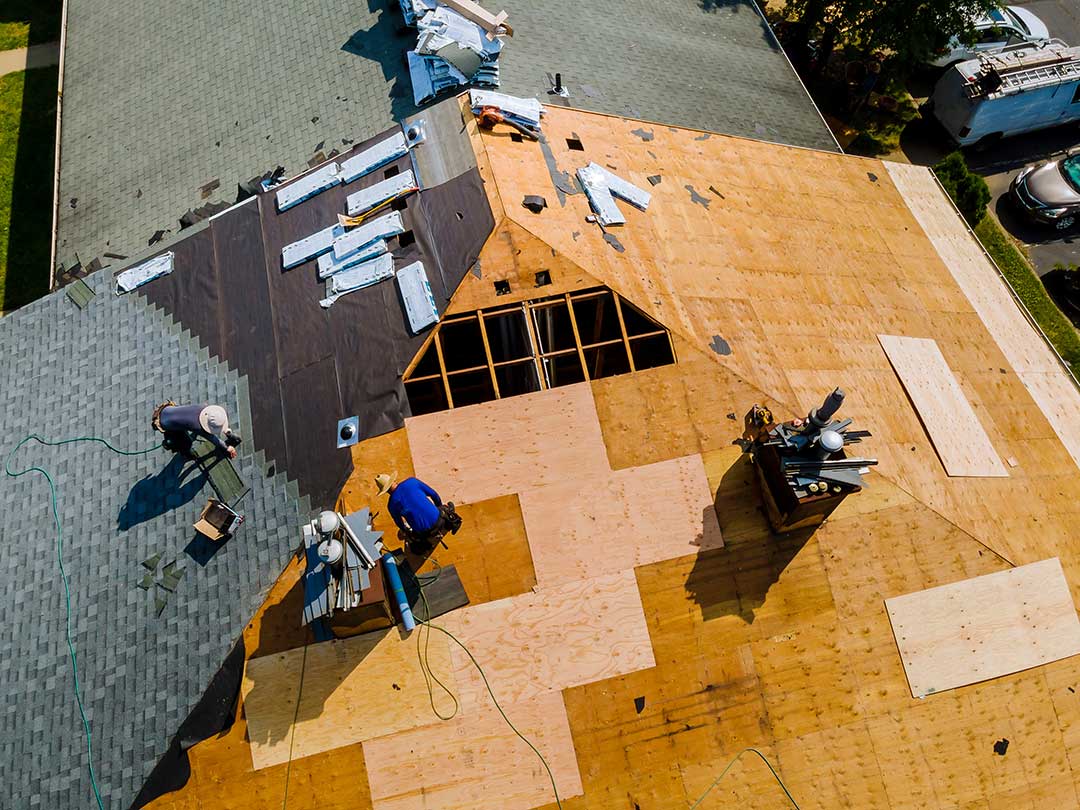
Specialized sound-dampening membranes or sheets are available for installation beneath roofing materials. These are not standard in typical residential construction in the city but might be considered in new roofing projects or significant renovations. Exterior solutions can be expensive but are most effective when paired with internal insulation.
Are There Misconceptions About Quieting Roof Noise?
Not all strategies commonly discussed are effective for local homes:
- Simply adding another layer of shingles over an existing roof rarely provides meaningful sound reduction unless paired with other techniques.
- Painting the roof or sealing it has no real impact on sound.
- Weatherstripping windows and doors can help block outside noise overall, but won’t stop roof impact sounds unless the source is also treated.
How Can Residents Balance Rain Noise Reduction with Ventilation?
Proper roof ventilation is vital, especially in Gowanda’s humid summers and snowy winters. Any sound-reducing upgrades—especially added insulation—should be done without blocking soffit or ridge vents. Maintaining airflow prevents problems such as mold, ice dams, and premature roof wear.
When Should Safety or Local Regulations Be Considered?
If roofing projects involve structural changes or attic modifications, residents should consult the applicable local codes or speak to the city’s building department for guidance. Anything involving electrical work, attic alterations, or major overhauls to roofing materials may require permits or inspections for both safety and code compliance. For simple upgrades like insulation, homeowners can usually proceed without regulatory hurdles, but it's wise to check before starting major projects.
