
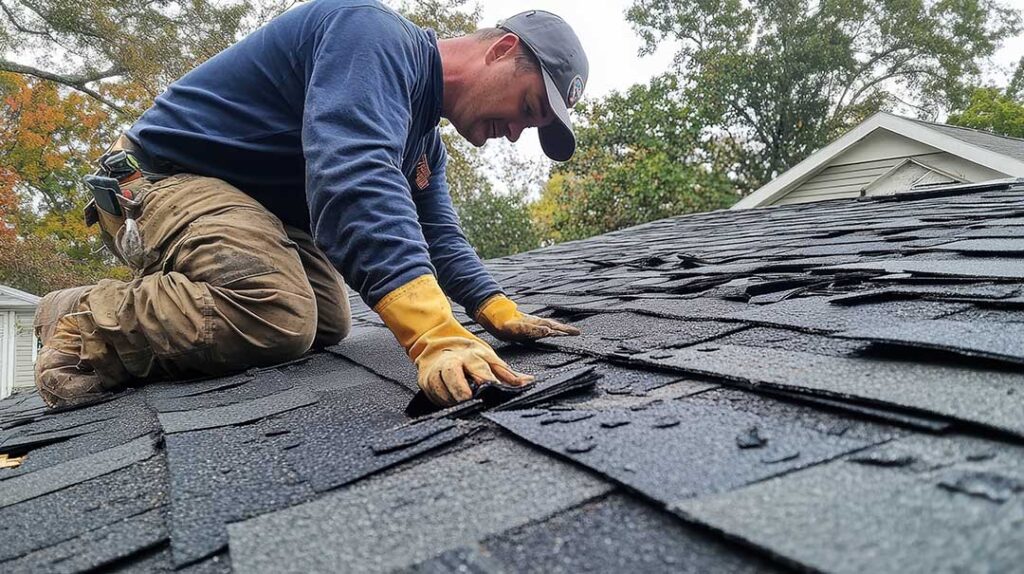
A roof leak is more than a wet spot on the ceiling. Water can move through insulation, wood framing, drywall, electrical areas, and attic ventilation pathways before the damage becomes obvious inside the home. In Gowanda, NY, seasonal rain, snow, ice, wind, and repeated freeze-thaw cycles can all contribute to roof problems that worsen gradually.
Understanding how moisture affects a home’s structure helps residents recognize warning signs early and respond before a small roof defect becomes a larger building problem.
How can a roof leak weaken a home’s structure?
A leaking roof can damage structural wood, reduce the effectiveness of insulation, and cause ceilings or walls to sag. The severity depends on how much water enters, how long the leak continues, and which building materials are exposed.
Roof framing is commonly made from wood rafters, trusses, sheathing, and support members. These materials can tolerate occasional moisture when they dry thoroughly, but repeated or prolonged wetting may lead to:
- Softened or deteriorated roof sheathing
- Rot in rafters, trusses, or ceiling joists
- Rusted metal fasteners and connectors
- Sagging roof sections
- Loose insulation and reduced energy performance
- Cracked, swollen, or weakened drywall
A small stain may therefore represent more than a cosmetic issue. It can indicate that water has already traveled through several layers of the roof assembly.
Why does water damage spread beyond the original leak?
Water does not always fall straight down from the point where it enters the roof. It may run along roof decking, rafters, insulation, electrical wiring, plumbing pipes, or the top side of ceiling drywall before appearing inside a room.
This is why the visible stain is often not directly beneath the damaged shingle, flashing joint, vent, or roof edge. Common entry points include:
- Damaged or missing shingles
- Failed flashing around chimneys, walls, and roof intersections
- Deteriorated pipe boots or vent seals
- Blocked or poorly draining roof valleys
- Ice-related water backup near the roof edge
- Wind-driven rain entering beneath roofing materials
- Openings around skylights or other roof penetrations
A ceiling mark should be treated as evidence of a moisture path, not necessarily as proof of the exact leak location.
What happens to attic insulation and ventilation?
Roof leaks can reduce the performance of attic insulation and create conditions that encourage condensation and mold growth. Wet insulation loses insulating value, especially when it becomes compressed or contaminated with dirt and debris.
Moisture in the attic may also affect ventilation. If insulation blocks soffit vents, if ridge ventilation is inadequate, or if roof leaks wet the air-sealing layers, humid air may remain trapped against cold surfaces. During colder months, this can contribute to condensation beneath the roof deck.
In a home with an attic, signs of moisture may include:
- Damp or matted insulation
- Dark staining on roof sheathing
- Musty odors
- Frost on the underside of the roof deck
- Rust around nails or metal connectors
- Peeling paint or bubbling surfaces on the upper floor
Condensation and roof leaks can look similar, but they require different solutions. Replacing shingles alone will not correct an attic ventilation or indoor humidity problem.
Can a roof leak affect walls, floors, and interior finishes?
Yes. Water entering near the roof can move into wall cavities and affect materials below the original entry point. Drywall may absorb water and swell, while wood framing can remain damp inside a wall even after the surface appears dry.
Over time, moisture may cause:
- Staining and discoloration
- Peeling paint or wallpaper
- Warped trim and flooring
- Soft spots around ceilings and upper walls
- Mold growth on damp materials
- Separation at drywall joints
- Musty smells that return after cleaning
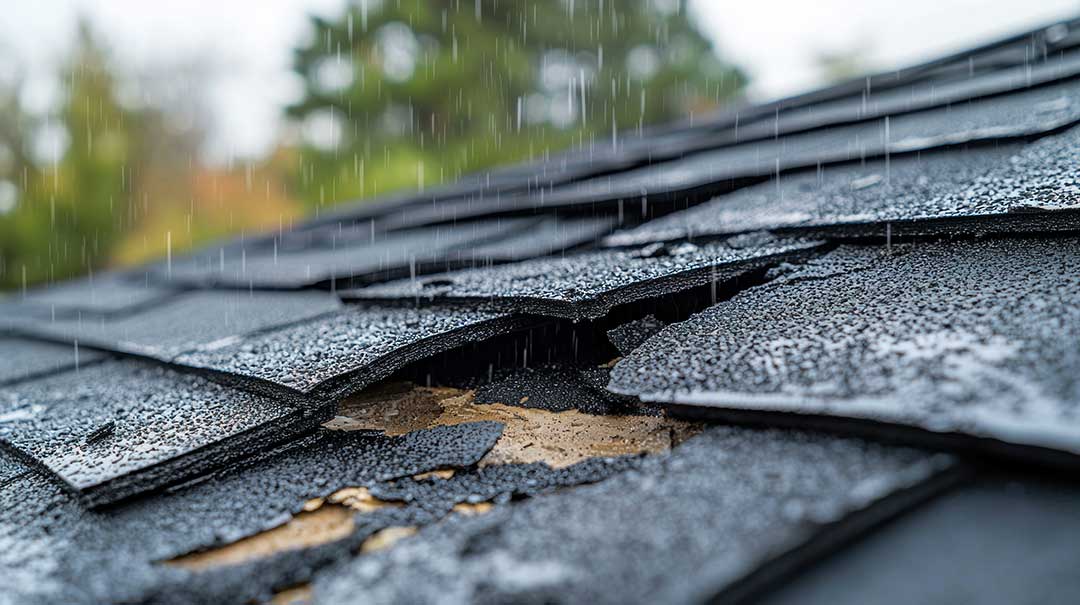
Water can also travel toward exterior walls, where it may affect window headers, wall sheathing, or siding connections. If the leak occurs near a dormer, valley, chimney, or roof-to-wall intersection, several parts of the building envelope may be exposed.
Does a roof leak create electrical or fire hazards?
A roof leak can create an electrical hazard when water reaches wiring, light fixtures, outlets, junction boxes, or electrical equipment. Water and electricity should never be assumed to be safely separated simply because a fixture still works.
If water is near a ceiling light, fan, outlet, or visible wiring:
- Avoid touching wet electrical components.
- Do not stand in pooled water while operating switches.
- Keep people away from the affected area.
- Shut off power to the area only if the electrical panel and surrounding floor are dry and safe to reach.
- Treat sparking, buzzing, burning odors, or discolored fixtures as urgent warning signs.
A wet ceiling may also become heavier as drywall absorbs water. Sagging or bulging drywall can fall without much warning, especially when saturated.
How do winter conditions make roof leaks worse?
Snow and ice do not automatically damage a roof, but winter conditions can expose weaknesses in roofing and drainage systems. Freeze-thaw cycles can enlarge small cracks and openings as trapped moisture expands and contracts.
Ice buildup near roof edges may also block normal drainage. Water from melting snow can back up beneath roofing materials and enter the roof assembly. This is more likely when attic heat escapes unevenly, roof edges are poorly ventilated, or drainage paths are obstructed.
After strong wind, heavy snow, or a rapid thaw, residents may notice new stains, dripping around ceiling fixtures, or damp attic materials. These signs should be checked promptly, even if the roof appears intact from ground level.
What should a homeowner do after discovering a leak?
The first priority is limiting additional water entry and protecting people and belongings. Place containers beneath active drips, move furniture, and carefully document stained or damaged areas with photographs.
Do not climb onto a wet, icy, or snow-covered roof. Roof surfaces can be slippery, and hidden structural damage may make walking unsafe. If water is entering near electrical components or the ceiling is bulging, keep clear of the area and address the electrical or collapse risk before attempting cleanup.
Once immediate hazards are controlled, the roof system and the interior should be evaluated together. Looking only at the ceiling may miss wet insulation, damaged framing, or moisture hidden above the finished surface.
How quickly should water-damaged materials be dried?
Drying should begin as soon as conditions are safe. The longer porous materials remain wet, the greater the chance of staining, odor, mold growth, swelling, and structural deterioration.
Ventilation and controlled air movement may help with minor surface moisture, but wet insulation, soaked drywall, and concealed cavities may require removal or specialized drying methods. Materials that look dry on the surface can still hold moisture underneath.
A roof repair that stops new water from entering does not automatically reverse interior damage. The affected attic, ceiling, wall, or insulation may still need attention.
A useful rule is simple: a roof leak should be treated as both a roofing problem and a moisture problem. Finding the entry point matters, but so does determining how far the water traveled and whether any structural or electrical components were affected.
