
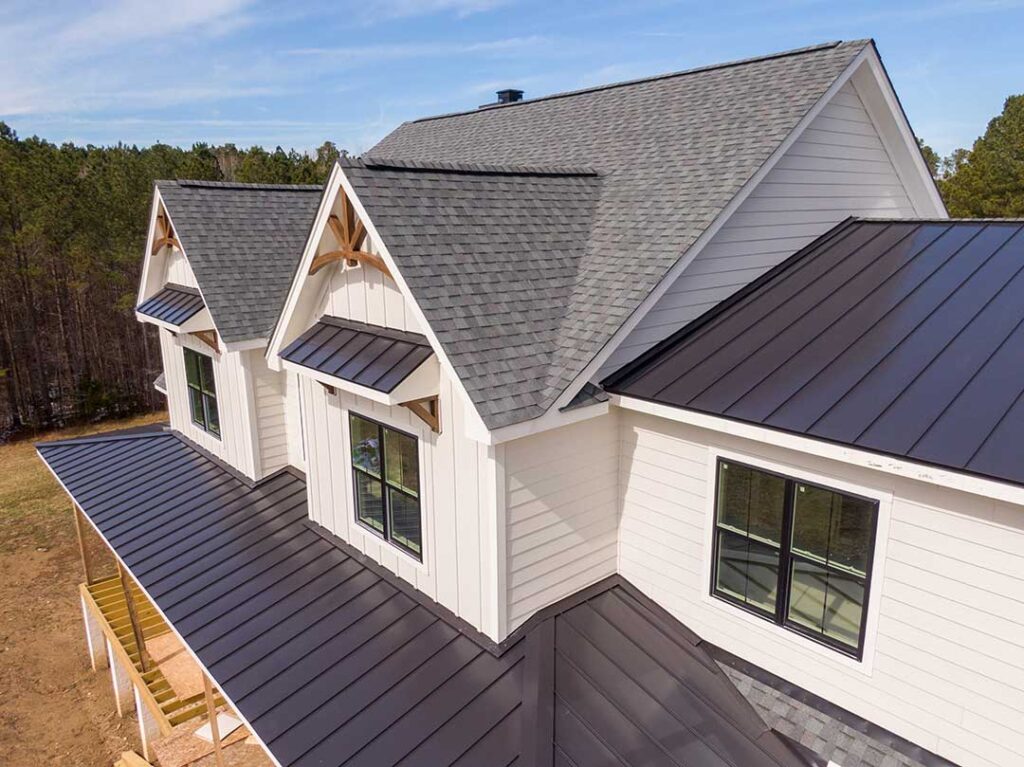
What Is a Roof Cricket?
A roof cricket is a small ridge structure installed on the high side of a chimney or, in some cases, other roof penetrations. Its purpose is to divert water around the obstacle, preventing it from pooling or backing up. In regions like Gowanda, NY, where roofs commonly encounter heavy rain, melting snow, and ice buildup, crickets are a practical feature for preserving roof integrity and minimizing leak risks.
A cricket is typically a triangular, peaked extension built into the slope of the roof. It's constructed from the same materials as the surrounding roof and is designed to blend in, though its function is quite specific. While not every roof requires a cricket, local homes with chimneys or large roof projections often rely on them to manage water flow effectively.
Why Do Roofs in Gowanda, NY Need Crickets?
Homes in Gowanda face a mix of weather conditions—heavy snowfall in winter, freeze-thaw cycles, spring rains, and occasional ice dams. Chimneys are a common feature on older and newer homes alike, and the intersection where a chimney meets the roof is especially vulnerable to leaks. Without proper water diversion, these spots can experience pooling, which increases the risk of:
- Water infiltration into attic spaces or living areas
- Accelerated roof material deterioration due to trapped moisture
- Ice dam formation in winter, blocking drainage and causing backup
Local regulations and best practices in colder climates often call for crickets, especially on chimneys wider than 30 inches or installed on the downslope. While not every structure insists on them by code, their installation is a proactive measure recognized by local building inspectors and roofers for reducing maintenance headaches and preventing costly repairs.
How Does a Roof Cricket Work?
A cricket redirects roof runoff, splitting the flow of water so it moves down and away from the chimney or projection. By creating a slope on both sides of the cricket, water can’t collect behind the obstacle—instead, it’s guided safely toward gutters or the main roof area.
For example, consider a traditional brick chimney rising out of a pitched roof. When rain or snow falls, water naturally flows down the roof until it hits the back of the chimney, creating a “dead spot” where moisture can accumulate. Installing a triangular cricket behind the chimney creates a peak that sends water left and right, following the natural pitch, and allowing it to drain off efficiently.
When Should a Roof Cricket Be Installed?
Crickets are not always a standard part of roof construction. In Gowanda, the decision often depends on:
- The width of the chimney or roof projection (wider than 30 inches usually requires a cricket)
- The slope of the roof (steeper pitches shed water more efficiently, but a cricket is still recommended for wider obstacles)
- Signs of past or potential leaks at chimney bases or large roof penetrations
Crickets are commonly installed during a full roof replacement, chimney rebuild, or major roof repair. However, adding a cricket to an existing roof is possible if new water issues are identified. Proper integration of the cricket with flashing and roofing materials is essential to its effectiveness.
What Materials Are Used for Crickets in Local Homes?
In Gowanda, most residential roofs use asphalt shingles, but some older or custom homes use metal, slate, or wood shingles. The cricket is typically built from:
- Pressure-treated lumber or standard roof framing materials (for the structure)
- The same roofing material as the main roof (shingles, metal, etc.)
- Waterproof flashing, usually metal, to seal joints where the cricket meets the chimney or roof
Proper installation and materials selection are key. A well-built cricket should appear as a seamless part of the roof, providing function without detracting from curb appeal.
Common Misconceptions About Roof Crickets
Some local homeowners may believe that:
- Poised gutters or flashing around the chimney are enough to prevent leaks, making crickets unnecessary
- Only very large chimneys or flat roofs need crickets
- Crickets are primarily for snow, not rain
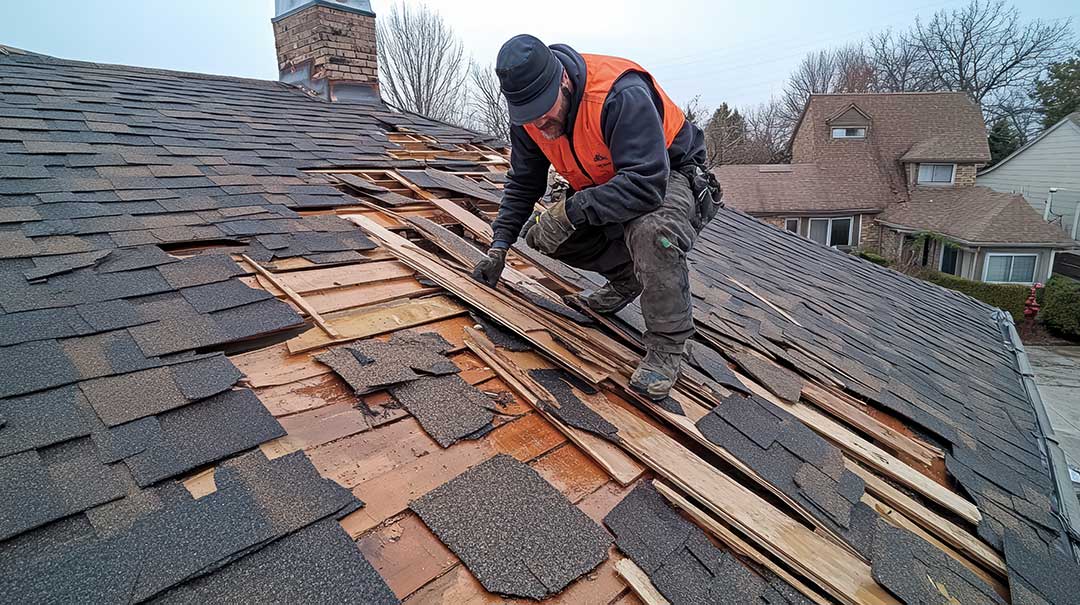
However, both rain and snow present pooling risks. Even smaller chimneys can benefit from a cricket in areas where heavy precipitation or freeze-thaw cycles are common.
What Problems Can Happen If a Cricket Is Missing or Failing?
If a chimney or projection lacks a cricket (or if the existing cricket is poorly built, damaged, or improperly flashed), issues can include:
- Chronic roof leaks during storms or rapid snowmelt
- Water stains and rot inside attic spaces or ceiling cavities
- Accelerated flashing wear, leading to more frequent maintenance needs
- Ice dams behind the chimney in winter, which can push moisture beneath shingles
In Gowanda, residents sometimes discover these problems after an unusually wet season or during winter. Moisture-related damage in these areas often points to a lack of proper diversion at the chimney base.
How Can Homeowners Tell If Their Roof Needs a Cricket?
There are a few signs and considerations for area residents:
- Staining, dampness, or rot around the chimney inside the attic or on ceiling finishes
- Visible pooling or slow drainage at the high side of the chimney after rain or melting snow
- Past repairs in the same area that haven't resolved leaks
A visual inspection from the ground might show an obvious “dead spot” behind the chimney without a raised structure redirecting water. Professional assessment is necessary if safety is a concern or if leaks are persistent and difficult to diagnose.
Local Weather Considerations for Roof Crickets
The mix of rainfall, heavy wet snow, and freezing conditions in the area means water management on roofs is especially important. Even a small amount of water collecting behind an obstacle can freeze, potentially lifting shingles or flashing and accelerating roof wear. Crickets are a proven, practical method for directing runoff away from vulnerable areas, reducing the likelihood of leaks and expensive water damage in local homes.
