
Why rooftop safety deserves extra attention
Homeowners in Gowanda, NY should treat roof access as a high-risk maintenance task, not a routine household chore. Sloped surfaces, hidden ice, wet shingles, unstable ladders, overhead wires, and changing weather can turn a quick inspection into a serious fall hazard.
Many roof problems can be identified safely from the ground, attic, or upper-floor windows. Climbing onto the roof is rarely necessary for a basic seasonal check.
What can be inspected without climbing?
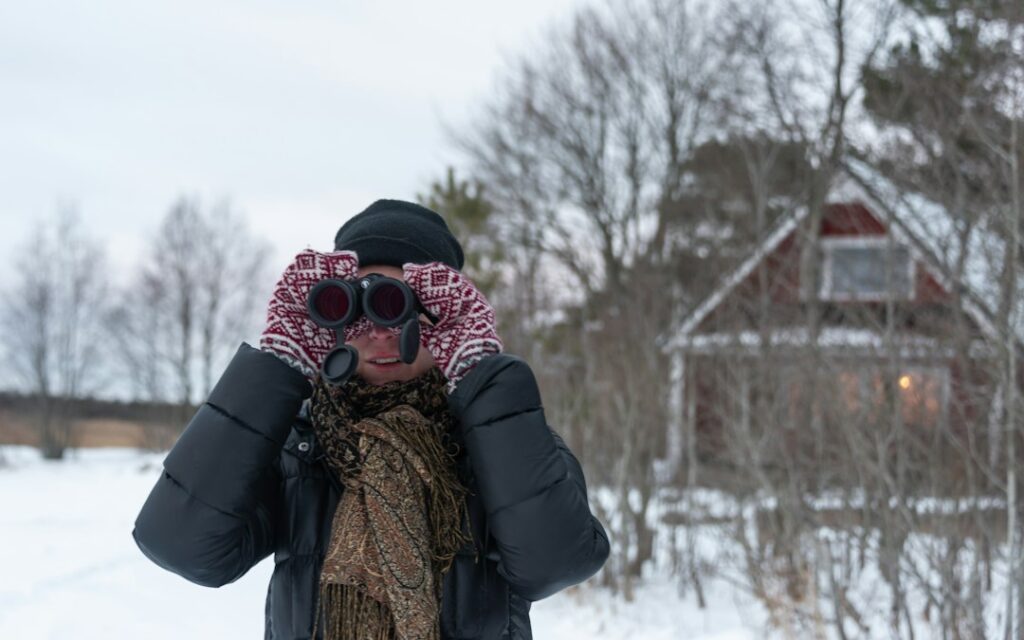
A ground-level inspection often reveals early warning signs. Use binoculars if needed, and walk around the entire home after major wind, rain, or snow events.
Look for:
- Missing, lifted, curled, or cracked shingles
- Loose flashing around chimneys, skylights, vents, and roof edges
- Sagging roof lines or areas that appear uneven
- Damaged gutters, downspouts, or metal edging
- Large sections of exposed underlayment or roofing material
- Tree limbs resting on or hanging close to the roof
- Icicles or snow sliding toward walkways, entrances, or parked vehicles
From inside the attic, check for damp insulation, water stains, daylight around roof penetrations, musty odors, or darkened wood. A roof leak may appear in the attic several feet away from the visible ceiling stain because water can travel along rafters and sheathing.
When is it unsafe to climb onto a roof?
A roof should not be climbed when it is wet, icy, snow-covered, frosted, visibly damaged, steep, or affected by strong wind. Morning shade can leave one roof slope slippery even when another side appears dry.
Avoid rooftop access during or shortly after:
- Freezing rain or sleet
- Heavy snowfall
- Strong wind
- Thunderstorms
- Rapid snowmelt
- Sudden temperature changes that create refreezing
- Any event that has left branches, wires, or debris on the roof
Winter conditions deserve particular caution in this area. Snow and ice can accumulate quickly, and freeze-thaw cycles may create slick surfaces that are difficult to see from the ground. A roof that looks lightly dusted may still have a hard layer of ice underneath.
Never assume that boots alone provide enough traction. Ordinary work shoes can lose grip on damp shingles, metal flashing, or frost.
How should a ladder be placed?
A ladder is often more dangerous than the roof itself when it is placed on an uneven, icy, or soft surface. Set it on firm, level ground away from snow piles, mud, wet grass, and sloped driveways.
Before using a ladder:
- Inspect the rails, rungs, feet, locks, and hinges.
- Keep the base clear of ice, tools, children, and pets.
- Place it away from overhead electrical lines.
- Use a stable extension ladder long enough to reach the intended area without standing on the top rungs.
- Maintain three points of contact while climbing.
- Face the ladder and keep both hands available whenever possible.
- Have another adult stabilize the ladder when conditions are less than ideal.
Do not carry tools or roof materials while climbing. Use a belt, hoist line, or another method that keeps both hands free. Never move or reposition a ladder while standing on it.
A ladder should provide access for inspection only. It is not a safe platform for shoveling snow, cutting branches, or reaching across a roof edge.
Is it safe to remove snow from a roof?
Snow removal from a roof can be hazardous even when the snow looks light. Wet snow is considerably heavier than fresh powder, and uneven buildup can place additional stress on roof framing. Drifts may form near roof valleys, dormers, chimneys, vents, raised sections, and other obstructions.
Homeowners should not climb onto a snow-covered roof to shovel it. A roof rake designed for ground-level use may remove limited snow from a safe position, but it should not be used while standing on a ladder. Pulling snow from above can also create a sudden slide that strikes the person below.
Before attempting any ground-level removal:
- Keep people and pets away from the drop zone.
- Move vehicles and outdoor equipment if possible.
- Watch for buried vents, wires, shrubs, and fragile structures.
- Avoid standing beneath heavy snow or ice overhangs.
- Stop if the roof is sagging, cracking, leaking, or making unusual sounds.

Large accumulations, uneven drifts, structural concerns, and roof areas that cannot be reached from the ground require specialized safety equipment and judgment. These are not appropriate conditions for an improvised household repair.
How can homeowners avoid falling ice and roof debris?
Falling icicles and roof-edge snow can injure people and damage property. During thawing weather, melting may occur on the upper part of the roof while ice remains frozen at the edge. A later freeze can make the roofline even more hazardous.
Keep walkways, entrances, and play areas away from active drip lines whenever possible. Do not stand below an overhang to knock down icicles. Using a pole from directly beneath the hazard can cause ice to fall unpredictably.
After a storm, inspect nearby trees from the ground. Heavy snow or ice can bend branches toward the roof, and a limb that appears stable may shift as temperatures rise.
What electrical hazards should be considered?
Roof work near overhead electrical lines is especially dangerous. Ladders, gutters, metal tools, antennas, and long-handled equipment can conduct electricity if they contact a line or come close enough for arcing to occur.
Keep all ladders and tools well away from overhead wires. Do not climb onto the roof to inspect storm damage involving electrical equipment, service connections, or fallen lines. Treat every downed wire as energized, keep people away, and report the hazard through the appropriate emergency or utility channel.
Solar equipment, satellite hardware, and roof-mounted ventilation systems may also create electrical or mechanical hazards. Do not disconnect, move, or repair these systems during a roof inspection.
What should be done after a storm?
Start with a ground-level survey and check the attic before considering any exterior access. Look for:
- New ceiling stains or dripping water
- Shingles or metal pieces in the yard
- Leaning vents or damaged flashing
- Blocked gutters and downspouts
- Broken branches on the roof
- Sagging ceilings, rafters, or roof sections
- Water near electrical fixtures
Place a container beneath an active interior drip if it can be done safely, and move valuables away from the area. Do not climb through a damaged ceiling or enter an attic if the structure appears unstable.
If a roof has major structural damage, exposed interior framing, widespread water entry, or a fallen tree, keep people away from the affected area. Emergency conditions take priority over temporary repairs.
Which roof tasks are reasonable for a homeowner?
Low-risk tasks may include observing the roof from the ground, cleaning accessible debris from the yard, checking attic conditions, keeping downspouts directed away from the foundation, and trimming ordinary vegetation from ground level when no overhead wires are present.
Roof access becomes inappropriate when it involves ice, snow, steep slopes, structural damage, electrical hazards, unstable ladders, or work near an unprotected edge. In those situations, safety is more important than completing the task immediately.
A careful homeowner does not need to personally perform every roof inspection. Recognizing dangerous conditions early—and staying off the roof when those conditions exist—is itself an important part of responsible home maintenance.
