
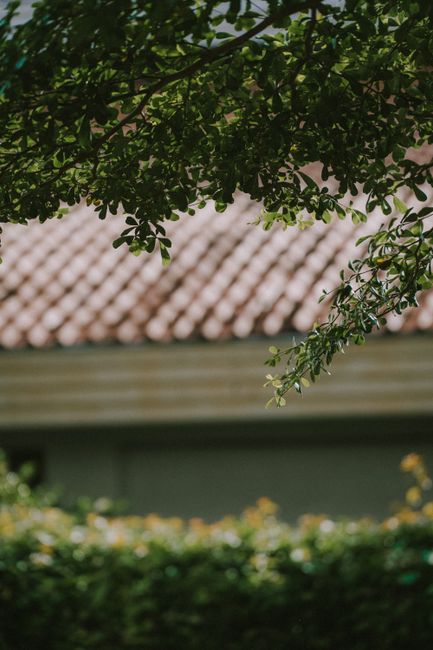
Do shade trees help a roof last longer?
Shade trees can help a roof last longer by reducing direct sunlight, surface heating, and ultraviolet exposure. That benefit is most noticeable on asphalt shingles, which gradually lose flexibility as repeated heating and cooling break down the shingle surface.
In Gowanda, NY, mature trees can provide welcome summer shade around homes. A roof beneath a broad canopy may stay cooler during sunny weather than a fully exposed roof. Lower surface temperatures can reduce the daily expansion and contraction that affect shingles, flashing, sealants, and some roofing membranes.
Shade is not automatically protective, however. Trees can also shorten roof life when they hold moisture against the roof, drop organic debris, scrape shingles, or allow branches to strike during storms. The overall effect depends on the tree’s distance, height, health, and seasonal behavior.
How does sunlight affect roofing materials?
Sunlight affects roofing through heat and ultraviolet radiation. Dark roofing surfaces can become much hotter than the surrounding air, especially on clear summer afternoons. Over time, this heat can contribute to:
- Loss of flexibility in asphalt shingles
- Fading and surface granule loss
- Drying or cracking of exposed sealants
- Faster aging of some synthetic roofing materials
- Increased wear around roof penetrations and flashing
Shade reduces the intensity of direct sun for part of the day, but it does not stop roof aging. A shaded roof still experiences temperature changes, winter conditions, moisture, wind, and normal material wear.
A tree that shades only one section of a roof may also create uneven aging. The sunny side may fade or dry out faster, while the shaded side may remain cooler but collect more moisture and debris. Differences in appearance do not always mean one roof section is failing, but they can signal different maintenance needs.
Can tree shade cause moisture problems?
Yes. Moisture is one of the main ways tree cover can become harmful to a roof.
Branches and leaves can slow drying after rain, especially where the roof has limited airflow. Dense shade may also keep roof surfaces damp during cool mornings or after snowmelt. In a climate with freezing winters, repeated wetting and freezing can stress roofing materials and the areas around seams, valleys, and flashing.
Moss and algae are more likely to persist on roof sections that remain cool and damp. Moss is particularly concerning because it can grow beneath shingle edges, retain additional water, and gradually lift or weaken roofing materials. Algae may mainly create dark staining, but persistent growth often indicates that a roof section is receiving limited sunlight and drying slowly.
Moisture problems are more likely when a tree canopy combines with:
- Poor attic ventilation
- Clogged or slow-draining gutters
- Low roof slopes
- Heavy leaf accumulation
- North-facing or heavily shaded roof planes
- Branches touching or nearly touching the roof
Shade alone is not a defect. The concern is prolonged dampness with limited drainage and airflow.
Why are leaves and needles a roofing concern?
Leaves, seed pods, twigs, and needles can collect in valleys, behind chimneys, around skylights, and along roof edges. These areas may hold debris long enough to block water flow or keep shingles wet.
A small amount of dry leaf litter is usually not an emergency, but repeated buildup deserves attention. Wet organic matter becomes heavier and can create a layer that traps moisture against the roof surface. In gutters, the same debris can restrict drainage and cause water to overflow against fascia boards, soffits, siding, or foundation areas.
Evergreen trees can create year-round debris, while deciduous trees may produce a heavy seasonal load in autumn. After strong winds, even a tree that does not overhang the roof can deposit branches and leaves on the roof surface.
Roof cleaning should be approached carefully. Walking on shingles can cause damage, and aggressive scraping or pressure washing can remove protective granules. The safest method depends on the roofing material, slope, height, and condition of the roof.
What damage can overhanging branches cause?
Branches that touch a roof can rub against shingles whenever wind moves the tree. This repeated contact may wear away surface granules, loosen shingle edges, or damage flashing near a wall or chimney.
Larger limbs create a more serious risk during thunderstorms, ice events, and heavy wet snow. A healthy-looking branch can split under unusual loading, while dead or diseased limbs may fail with little warning. Branches above a roof also make it easier for squirrels, raccoons, and other animals to reach roof edges, vents, and exterior openings.
A useful rule is to keep tree limbs from resting on the roof or pressing against gutters. Clearance should account for movement in wind, not just the tree’s position on a calm day. Trees close to utility lines, steep roofs, or areas where falling limbs could injure someone require extra caution.
Pruning large limbs over a roof can be hazardous. Work near electrical lines or high branches should be treated as a safety issue rather than a routine homeowner task.
Should trees be removed to protect a roof?
Usually, no. Tree removal is rarely the first or only answer to a roof problem. Healthy trees can provide shade, reduce summer heat around a house, help manage wind, and contribute to neighborhood comfort and habitat.
The better approach is to evaluate the relationship between the tree and the roof. Consider:
- Is the tree healthy or showing dead, cracked, or hanging limbs?
- Do branches touch the shingles, chimney, vents, or gutters?
- Does the roof remain damp for long periods?
- Are moss and debris concentrated beneath the canopy?
- Do gutters overflow during ordinary rainfall?
- Has the tree caused visible impact or rubbing damage?
- Is the tree close enough to create a risk during ice or wind?
A tree may need pruning, monitoring, or removal if it is structurally unsafe or repeatedly damaging the roof. A healthy tree that provides shade without touching the roof may not need major changes.
How can homeowners balance shade and roof protection?
Routine observation is more useful than reacting only after a leak appears. In spring and autumn, inspect roof edges, valleys, gutters, and downspouts for leaves, twigs, moss, and standing water. After major storms, look for displaced shingles, broken branches, dented metal, and new debris patterns.
From the ground, check whether branches have begun to touch the roof or whether the canopy has become dense enough to block drying. Binoculars can help with a basic visual inspection, but they do not replace safe close-range evaluation where conditions are hazardous.
Inside the attic or upper floors, watch for signs that moisture may be entering:
- Brown or dark ceiling stains
- Damp insulation
- Musty odors
- Peeling paint near exterior walls
- Water marks around chimneys, vents, or skylights
Gutters should drain freely, and downspouts should direct water away from the foundation. Keeping roof drainage clear is especially useful beneath trees because debris can accumulate quickly during leaf-fall season.
Does shade matter for every type of roof?
Shade affects roofing materials differently. Asphalt shingles are sensitive to ultraviolet exposure and temperature cycling, while metal roofing can tolerate sunlight well but still develop problems around fasteners, seams, coatings, and drainage points. Wood shakes and other porous materials are especially vulnerable to persistent moisture and biological growth.
The roof’s age and condition also matter. A newer roof with good drainage may tolerate nearby trees well. An older roof with brittle shingles, worn flashing, or recurring moss may show damage more quickly under the same canopy.
The practical goal is not maximum sunlight or maximum shade. It is a roof that can dry after rain, drain water reliably, and remain clear of rubbing branches and heavy debris.
